
How the Winter Cold Can Effect Your Roof!
Winter is a time of beauty and chill, but beneath the picturesque snowfall lies a seasonal threat that can wreak havoc on your home’s first line of defense: the roof. While snow-covered homes might look charming from the outside, the reality is that winter weather can cause a surprising amount of damage to your roofing system. Homeowners often don’t realize the extent of deterioration until it becomes a costly repair in spring. Understanding how cold weather impacts your roof is essential to staying ahead of structural damage and protecting your investment. From the dreaded ice dam to frozen gutter damage, here’s how the winter cold can quietly sabotage your roof.
The Silent Threat of the Ice Dam
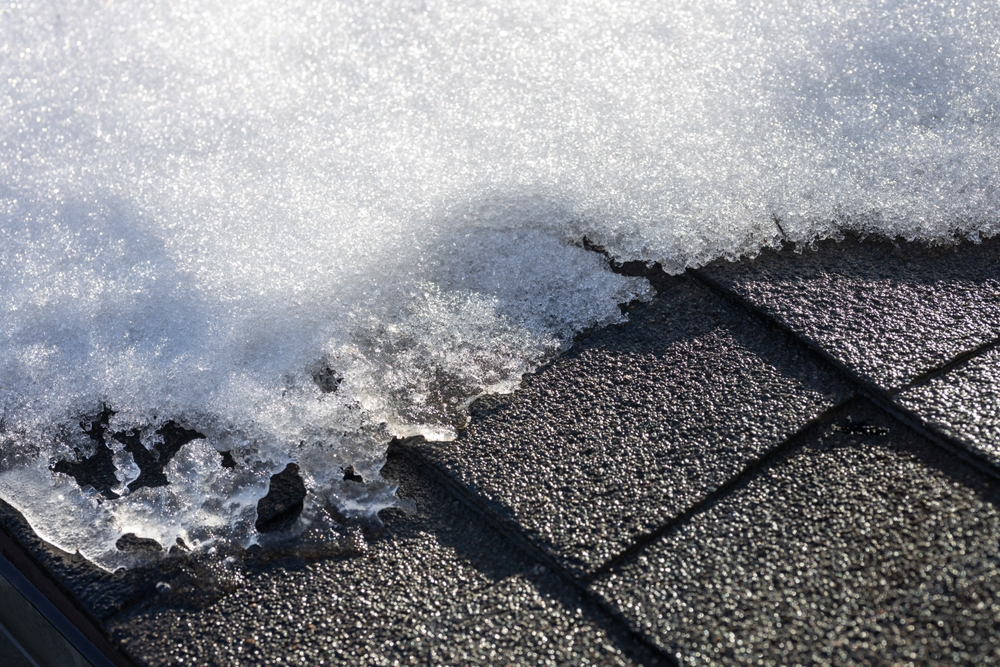
The most notorious winter roof issue is the ice dam. An ice dam forms when heat escapes from your home into the attic, warming the underside of the roof and causing snow to melt. This melted snow trickles down toward the edges of your roof, where it refreezes upon contact with the colder eaves. Over time, this builds up into a wall of ice that blocks further meltwater from draining off the roof.
This water has nowhere to go, so it starts to back up underneath shingles, creeping into underlayment and potentially leaking into the attic and living areas. Roof water back-up caused by ice dams can damage insulation, drywall, ceilings, and even flooring. Worse yet, the moisture creates an ideal environment for mold growth. Ice dams are the result of poor attic insulation, inadequate ventilation, or fluctuating temperatures, and preventing them requires a combination of roofing design, insulation strategies, and proactive snow removal after heavy storms.
Freeze-Thaw Cycle Damage: Repeated Stress on Roofing Materials
One of the most insidious effects of winter is the freeze-thaw cycle. When temperatures fluctuate between freezing and slightly above, melted snow and water seep into tiny cracks or gaps in your roofing materials, only to refreeze once temperatures drop again. As water freezes, it expands, placing pressure on surrounding materials. This repeated cycle of expansion and contraction slowly pries apart shingles, flashing, and other roofing elements.
Over time, freeze-thaw cycles can lead to major structural compromises. Shingles can curl, crack, or even break off entirely. Flashing may become loose or separate, leaving vulnerable areas like chimneys, skylights, and roof valleys exposed to water intrusion. The seemingly harmless repetition of melting and freezing accelerates aging in your roofing system and can significantly shorten its lifespan if not addressed.
Proper roof inspections before and after the winter season can help catch early signs of freeze-thaw damage. Sealing up minor cracks, applying protective coatings, or replacing aged shingles can mitigate some of the effects of this natural process.
Attic Condensation: Hidden Moisture Problems from Within
Many homeowners overlook the role of their attic in winter roof health. As warm air from your home rises, it enters the attic, which may be poorly insulated or ventilated. This warm, moist air encounters the cold surfaces of the attic—such as rafters, nails, or sheathing—causing condensation to form. The presence of attic condensation might not be immediately noticeable, but over time, it can damage your roof structure from the inside out.
Excess moisture in the attic can lead to wood rot, mold, and mildew growth. It can also reduce the effectiveness of insulation, making your home less energy efficient and further exacerbating heat loss. The combination of attic condensation and ice dam formation creates a double threat: moisture damage from both inside and outside the roofing envelope.
Improving attic ventilation is the key to preventing these issues. Installing ridge vents, soffit vents, or gable vents ensures that warm air doesn’t stagnate and cause humidity to spike. Proper attic insulation also minimizes heat transfer from your living space to the roof, reducing the temperature differential that leads to condensation in the first place.
Roof Shingle Brittleness: Cold Makes Materials Fragile
As temperatures drop, roofing materials—especially asphalt shingles—can become brittle and prone to cracking. This brittleness is a natural reaction to extreme cold, particularly in older shingles that have already been exposed to years of sun, wind, and precipitation. When shingles are brittle, even minor stressors like falling branches, heavy snow accumulation, or a careless step during snow removal can cause them to break.
Once a shingle is cracked or broken, it creates an entry point for water. Snowmelt or rainfall can penetrate the underlayment, leading to leaks, water damage, and mold. During a particularly harsh winter, the damage can escalate quickly if the roof isn’t inspected and maintained. Shingles that are compromised in winter may not reveal the full extent of damage until spring arrives and the thaw sets in.
If your roof is nearing the end of its lifespan, or if you’ve had repeated issues with shingle cracking during winter, it may be time to consider higher-quality, cold-resistant roofing materials. Modern composite shingles or metal roofing systems are designed to endure more severe temperature swings without becoming brittle.
Snow Load and Structural Stress
Snow may look soft and fluffy, but when it accumulates on your roof, it can add up to thousands of pounds of added weight. This is known as snow load, and it poses a serious structural risk to your roof—especially if the building was not designed to handle heavy snowfalls. Flat or low-pitched roofs are particularly susceptible because they do not shed snow as efficiently as steeper ones.
Prolonged snow load can cause sagging, stress fractures in support beams, or even full roof collapse in extreme cases. The risk increases with wet snow, which is significantly denser and heavier than dry powder. Homeowners often fail to recognize how quickly a few inches of snow can transform into a structural hazard.
Proactive snow removal is critical in preventing snow load issues. Roof rakes with long, extendable handles can be used from the ground to safely pull snow off the edges of your roof. For larger accumulations, it’s best to hire a professional snow removal service to avoid damaging the roofing materials or injuring yourself.
Flashing Separation and Material Movement
Flashing is the thin metal barrier that seals gaps between your roofing materials and roof features such as chimneys, vents, or skylights. It is essential in directing water away from seams and joints. However, during the winter months, metal flashing can expand and contract significantly due to temperature swings, which can cause it to separate from the surrounding materials.
Flashing separation is often subtle but dangerous. Even a small gap can allow water to enter and settle beneath the shingles or underlayment, leading to leaks that may not be immediately visible. This problem can be made worse by the freeze-thaw cycle, which amplifies any movement or gaps created by shifting materials.
Sealing flashing annually and inspecting it after each storm or cold snap can prevent more serious issues. High-quality, flexible sealants that can handle temperature variation are also essential in keeping flashing in place and functional through the winter season.
Frozen Gutter Damage: Overflow and Ice Build-Up
Gutters play a vital role in directing water away from your roof and foundation, but during winter, they often become a liability. When water freezes in the gutters, it expands and can crack the gutter material or loosen fasteners that hold it to the roofline. The added weight of ice can also cause gutters to bend, warp, or completely detach from the structure.
Blocked or frozen gutters compound the problem by causing water to spill over the sides or back up under the shingles. This overflow can damage siding, landscaping, and contribute to roof water back-up similar to the effects of an ice dam. In addition, downspouts can become clogged with ice, rendering them useless in carrying water away from your home.
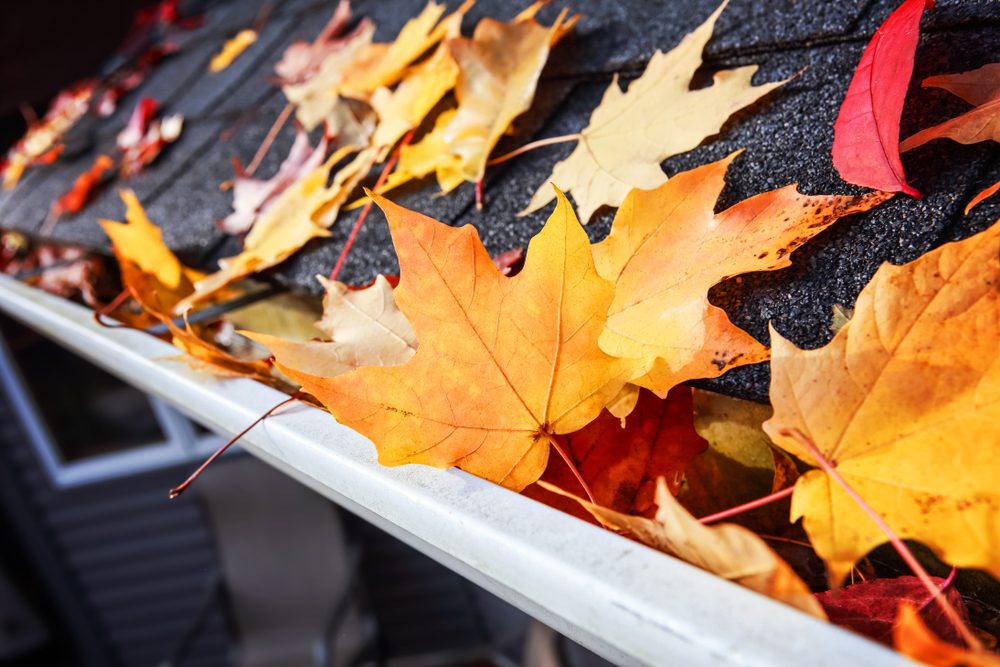
To minimize the risk of frozen gutter damage, clean your gutters before the winter season begins. Install gutter guards or heating cables to help maintain water flow during freezing conditions. Regular inspection during and after storms can catch developing problems early.
Conclusion
Winter brings more than just frigid temperatures and beautiful snowflakes—it delivers a host of challenges for your roof. From the persistent threat of an ice dam to structural concerns caused by snow load, each element of winter weather introduces unique risks that can compromise your roofing system. Shingle brittleness, attic condensation, flashing separation, and frozen gutter damage all contribute to a broader pattern of cold-weather roof deterioration that should not be ignored.
Preventive maintenance, regular inspections, and proactive repairs are your best defense against winter-related roofing issues. By understanding how the winter cold can affect your roof, you can make informed decisions, protect your home from costly repairs, and ensure that your roof weathers the season in the best possible condition. Prioritizing your roof’s health during the coldest months of the year is one of the smartest long-term investments you can make as a homeowner.
Need Certified Roofers Near You?
Here at Triad Roofing & Services LLC, we take pride in being your trusted local roofing experts since 1979, serving Tuscarawas, Coshocton, and Holmes counties with top-quality craftsmanship and dependable service. Whether you need a brand-new roof, expert repairs, or the materials to tackle the job yourself, we’ve got you covered—especially with our specialty in low-sloped roofs for residential, commercial, and industrial properties. We believe your peace of mind starts with a sturdy roof, and that’s why we offer free estimates and personalized consultations. Give us a call or stop by today, and let’s make sure your roof is one less thing to worry about!